
Photographs: Fayaz Kabli/Reuters Mukhtar Ahmad in Srinagar
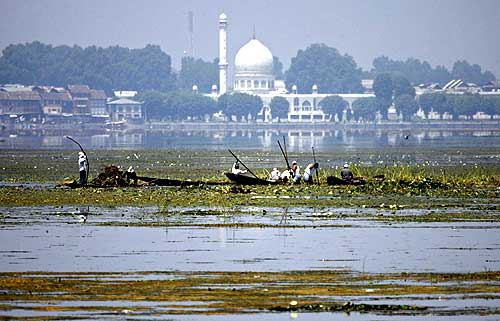
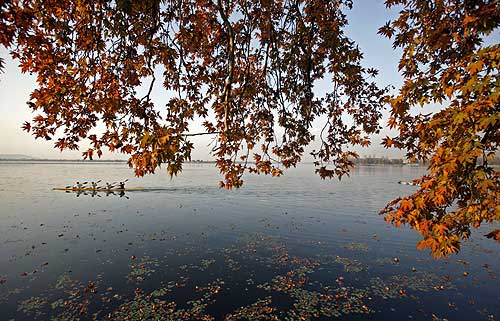
The Dal Lake -- a veritable symbol of Kashmir -- is fighting for its very existence.
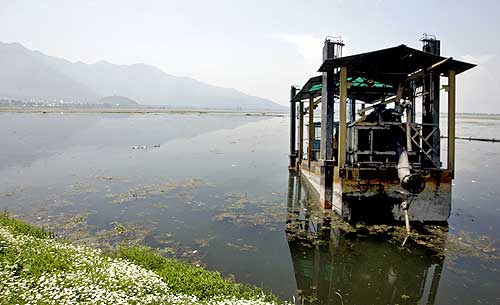
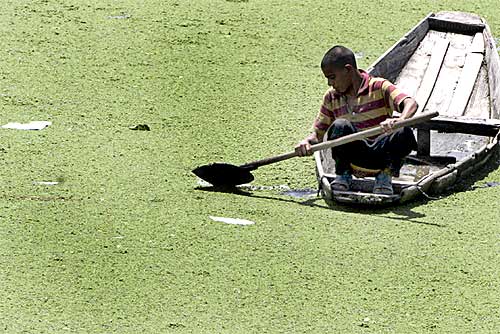
The lake has shrunk to one-third of its original area in less than three decades because of encroachments, siltation and discharge of effluents into the lake by thousands of commercial and private establishments and also discharge from hundreds of floating houseboats, which are anchored in the middle of the lake.
Restoring the Dal lake to its original glory
Photographs: Fayaz Kabli/Reuters
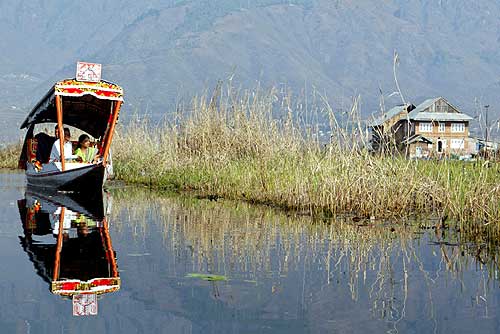
Hundreds of houses located within the lake are also the cause of its immense degradation.
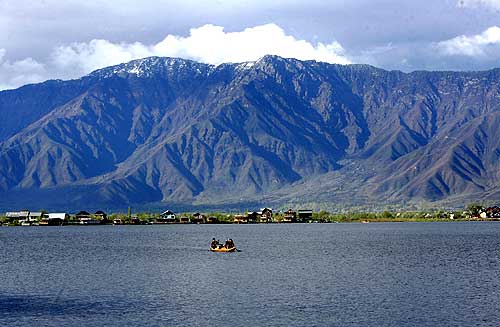
The lake, lassoed by a circular road and the Zabarwan mountain range, is not only a major tourist attraction but also a source of sustenance for thousands of people living in and around the lake, who own houseboats or grow vegetables on the floating gardens.
Restoring the Dal lake to its original glory
Photographs: Danish Ismail/Reuters
Restoring the Dal lake to its original glory
Photographs: Fayaz Kabli/Reuters
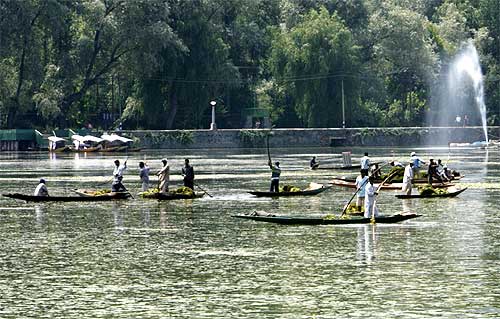
Coming to the lake's rescue, the central environment ministry has decided to pump in Rs 1100 crore for retrieval of the lake and to restore it to its pristine glory.
Restoring the Dal lake to its original glory
Photographs: Fayaz Kabli/Reuters
Restoring the Dal lake to its original glory

Photographs: Fayaz Kabli/Reuters
Promising the Centre's full support in protecting the state's environment and forests, Ramesh said 40 per cent of the work on the Rs 300 crore Dal Cleaning Project has been accomplished, and that the remainder will be completed within the next two years.
Restoring the Dal lake to its original glory
Photographs: Fayaz Kabli/Reuters
Giving a detailed overview of the prestigious Dal lake restoration plan, Ramesh said after jointly surveying the lake with the chief minister he realised that the Dal was not only a lake that needed to be cleansed but an eco and a social system that embedded large number of wetlands and nearly 10,000 families.
Restoring the Dal lake to its original glory
Photographs: Danish Ismail/Reuters
article