
Photographs: Reuters
At least 17 bodies have been recovered from the debris of an Air France jet that crashed into the Atlantic Ocean last week.
A New York Times report says the men who search for the debris were battling all odds to save the fast disappearing evidence in what can be called as one of the most mysterious plane crashes in recent memory.
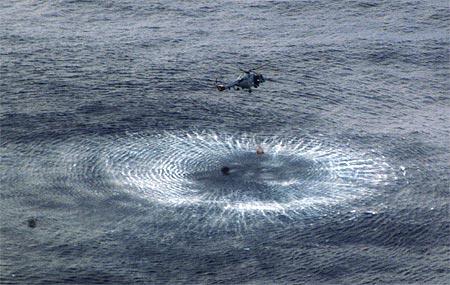
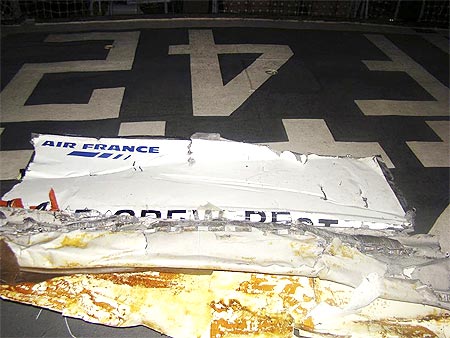
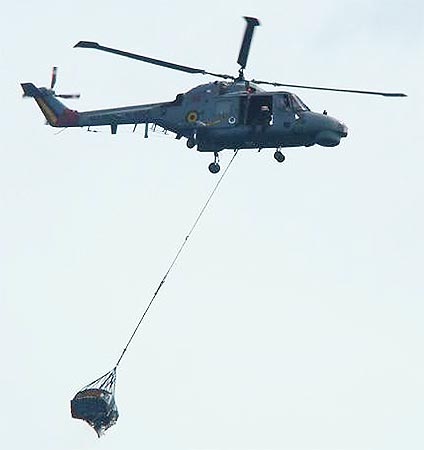
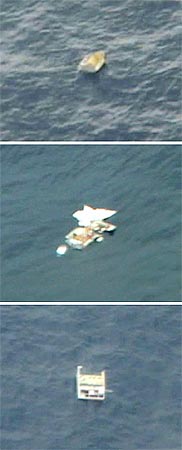
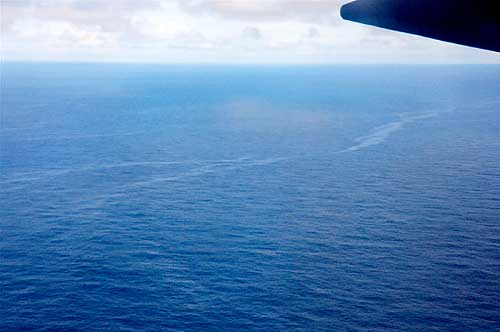
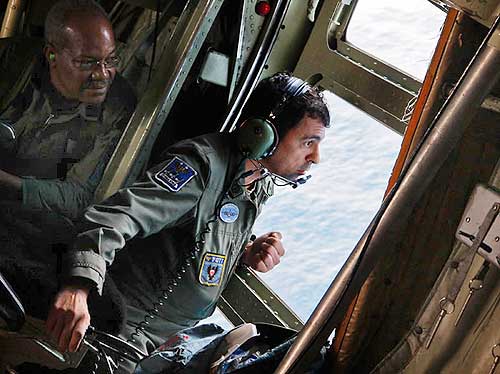
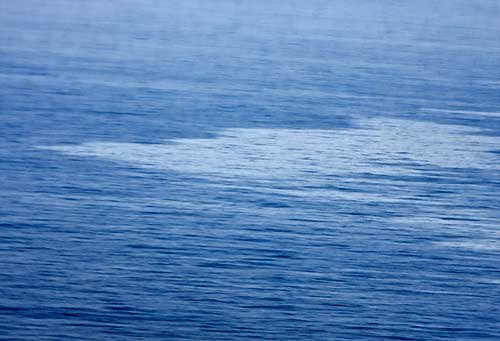
Besides bodies, debris was also found from the swirling waters. Search teams are also scouring for more bodies, materials, key equipment, and most importantly the Black Box.
Read on to find out how specially qualified personnel from different countries battle all odds to find clues from the mighty Atlantic Ocean.
Plane truth: In bits and pieces
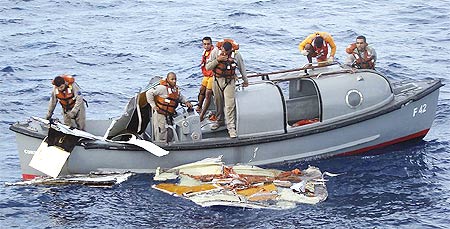
The report adds, "The bits and pieces of Air France Flight 447, recovered over the weekend -- as well as the first bodies, of two men on Saturday morning -- narrowed the search to a region of several hundred square miles some 600 miles off the northeast coast of Brazil."'
Then...what happened?
What is Left Now
Photographs: Reuters
Evidence Hangs By a Thread
Photographs: Reuters
The search for the plane's black box, or flight data recorder, is becoming more urgent as it will continue emitting a radio signal for only another three weeks, after which it will be near impossible to locate in the deep ocean.
Danger Signals
Photographs: Reuters
Meanwhile, the last few short-coded reports, sent automatically by the aircraft's sophisticated flights systems, paint a frightening but incomplete picture of multiple systems failing just before the catastrophic end.
US Navy Will Chip In

Black Box Will Beep For 30 Days
Photographs: Reuters
Another report says the recorders, made by Honeywell International Inc, have water-activated 'pingers' that run for 30 days and remain intact as deep as 3.8 miles, about twice the depth of the ocean where the debris has been found.
Speed sensors went wrong?
Photographs: Reuters
Air France is speeding up replacement of speed sensors on all of its Airbus A-330s amid speculation that a faulty indication might have been a factor in the loss of its Rio de Janeiro-Paris flight over the Atlantic with 228 people on board.
Air France clears the air
Looking for more debris
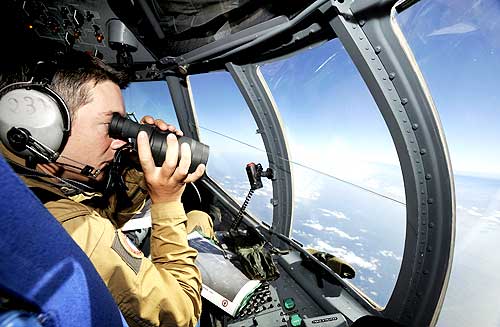
Photographs: Reuters
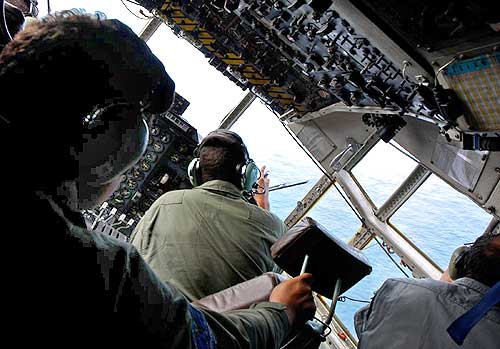
France to appoint special ambassador
Photographs: Reuters
Considering the importance, France says it will appoint an 'ambassador' to help coordinate the investigation into the Air France Flight 447 plane crash.
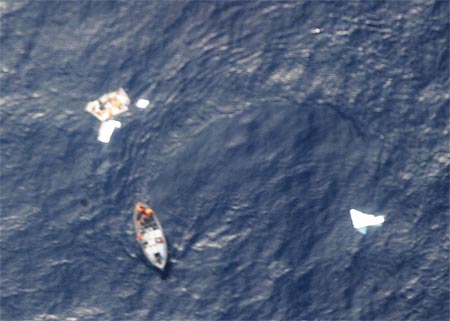
It is just a baggage now
Photographs: Reuters
A seat and luggage was also found besides bodies.
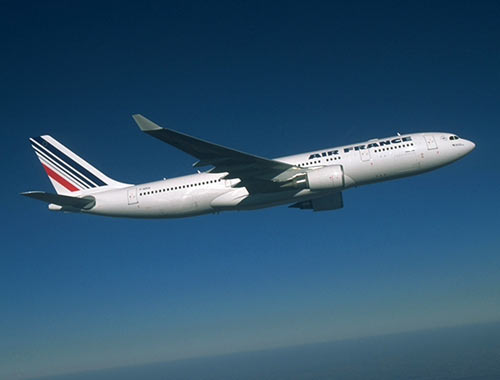
This was the plane that sunk
Photographs: Reuters
A serial number from the seat and a flight ticket were found inside a leather case.
The ill-fated plane was flying from Brazil to France -- over the deadly Atlantic Ocean-- with 228 passengers when the accident happened.
article