
Photographs: Jayanta Shaw/Reuters
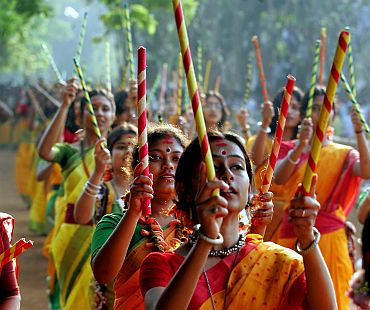
Shantiniketan, which houses the world-famous Visva Bharati university and attracts thousands of tourists from across the globe every year, is India's official entry this year for UNESCO's list of World Heritage Sites.
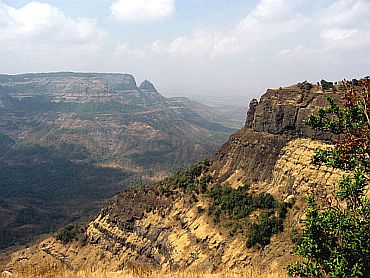
Besides Shantiniketan, the Western Ghats has also been nominated for the World Heritage Site honour, a senior culture ministry official said.
The towering Sahayadris are also nominated for the heritage honour
Photographs: Wikimedia Commons
If Shantiniketan is selected, it will be West Bengal's third World Heritage Site after the Darjeeling mountain railways and Sundarbans national park.
The Archaeological Survey of India, the agency responsible for conservation and protection of monuments and nodal authority for making nominations to UNESCO, has sent the dossier to the UN agency in Paris.
The sprawling 150-acre campus and Western Ghats may be initially added to the temporary list of the Heritage sites as part of the procedure to be declared as a World Heritage site.A tribute to Rabindranath Tagore

Photographs: Jayanta Shaw/Reuters
Shantiniketan was earlier called Bhubandanga (named after Bhuban Dakat, a local dacoit), and was owned by the Tagore family. In 1862, Maharshi Devendranath Tagore, Rabindranath's father, gave the name Shantiniketan (abode of peace).
In 1901, Tagore started a school at Shantiniketan named Brahmachary Ashram modelled on the lines of the ancient gurukul system.
The third World Heritage Site in West Bengal

Photographs: Jayanta Shaw/Reuters
The Western Ghats also known as the Sahyadri Mountains, is a mountain range along the western side of India. It runs from north to south along the western edge of the Deccan Plateau, and separates the plateau from a narrow coastal plain along the Arabian Sea. The Ghats are a repository of flora and fauna and support some of the most threatened species in India.
article